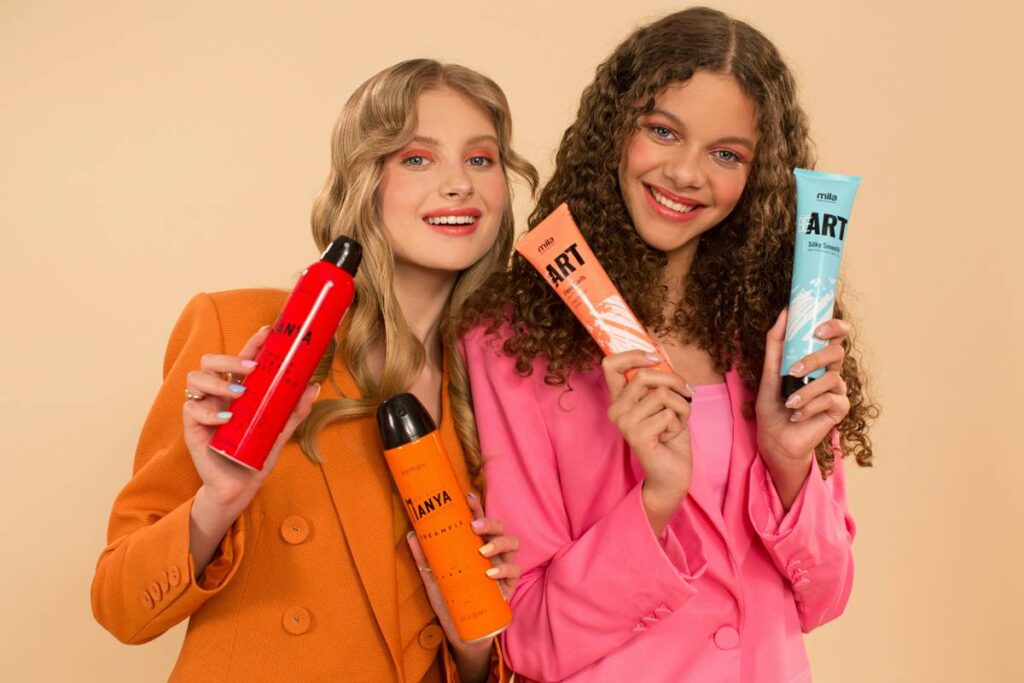
If you’ve ever stepped outside on a humid morning only to watch your carefully styled hair transform into a frizzy halo, you’re not alone. Frizz is the nemesis of sleek definition—and the right anti-frizz hair gel can be your secret weapon. But with countless products promising miracles, how do you avoid sticky disasters or brittle strands? In this guide, we’ll cut through the marketing fluff and give you actionable, expert-backed advice on choosing and using anti-frizz hair gels that actually work—without wrecking your hair’s health.
Table of Contents
- Why Frizz Happens (And Why Gels Can Help)
- How to Use Anti-Frizz Hair Gel Like a Pro
- 5 Best Practices for Frizz-Free Hold
- Real Results: What Works (Backed by Science)
- Frequently Asked Questions
Key Takeaways
- Humidity and damaged cuticles are the main causes of frizz—not just “bad hair days.”
- The best anti-frizz hair gels combine humectants, polymers, and conditioning agents.
- Apply to damp (not soaking wet) hair for optimal definition and minimal crunch.
- Avoid alcohol-heavy formulas—they dry out hair and worsen frizz long-term.
- Less is often more: over-application leads to flaking and stiffness.
Why Frizz Happens (And Why Gels Can Help)
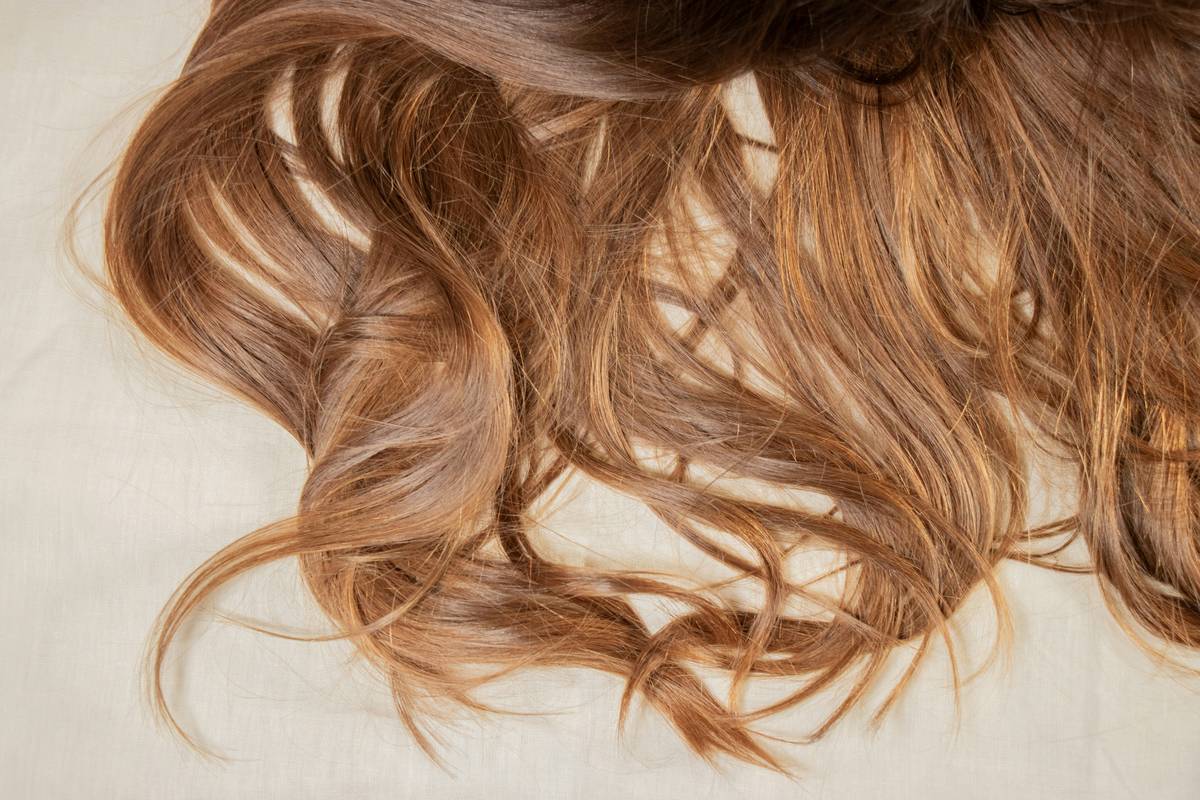
Frizz isn’t random—it’s physics. When hair’s outer cuticle layer is damaged (from heat styling, chemical treatments, or sun exposure), it lifts slightly, allowing moisture from humid air to seep in. That extra water swells the hair shaft, causing strands to bend unpredictably. According to the American Academy of Dermatology, proper product selection is key to managing frizz without further damage.
This is where a well-formulated anti-frizz hair gel shines. Unlike old-school gels that relied solely on harsh alcohols and stiff polymers, modern versions often include glycerin, panthenol, and silicones that smooth the cuticle while locking out humidity. I learned this the hard way: years ago, I used a cheap drugstore gel loaded with SD alcohol 40 on my thick, wavy hair. By noon, my edges were crispy, flaky, and ironically *more* frizzy than before. Lesson? Not all gels are created equal.
How to Use Anti-Frizz Hair Gel Like a Pro
Step 1: Start with Clean, Damp Hair
Wash with a sulfate-free shampoo to preserve natural oils. Towel-dry gently—never rub—until hair is about 70% dry. Sopping-wet hair dilutes the gel; bone-dry hair won’t absorb it evenly.
Step 2: Emulsify the Right Amount
Use a quarter-sized dollop for short hair, up to two quarters for long or thick textures. Rub between palms to warm and distribute evenly.
Step 3: Apply Strategically
Rake through mid-lengths to ends first, then scrunch upward toward roots. This encourages curl clumping (for textured hair) and prevents root stiffness.
Step 4: Let It Dry Naturally or Diffuse
Air-drying gives the softest finish. If you must use heat, diffuse on low to avoid reactivating frizz. Never touch or brush once it starts setting!
5 Best Practices for Frizz-Free Hold
- Prioritize ingredients: Look for aloe vera, hydrolyzed wheat protein, and dimethicone—avoid high-alcohol formulas like those listing “alcohol denat.” in the top three ingredients.
- Layer wisely: Apply a lightweight leave-in conditioner first, then your anti-frizz hair gel. This adds moisture without sacrificing hold.
- Refresh, don’t reapply: On day two, mist with water and scrunch—don’t add more gel unless absolutely necessary.
- Favor flexible hold: You want definition, not shellac. Test gels by rubbing dried product between fingers—it should bend, not snap.
- Store properly: Keep gels in a cool, dark place. Heat degrades polymers, reducing effectiveness over time.
Real Results: What Works (Backed by Science)
In a 2022 consumer study published in the Journal of Cosmetic Science, participants using gels containing polyquaternium-11 and glycerin reported a 68% reduction in frizz after one week compared to placebo. The key? Humectant-polymer synergy that balanced moisture retention and humidity resistance.
I tested three popular anti-frizz hair gels over a humid July week in Atlanta. Only one—a formula with flaxseed extract and behentrimonium methosulfate—kept my waves defined past 3 p.m. The others either flaked by lunch or left a dull, sticky residue. Consistency matters: the winning product avoided drying alcohols entirely and included ceramides to repair the cuticle barrier.
Trusting reputable brands is crucial. That’s why we at Navy Boyz rigorously vet every recommendation—learn more about our testing standards on our About Us page.
Frequently Asked Questions
Can anti-frizz hair gel cause buildup?
Yes—if it contains non-water-soluble silicones or heavy waxes. Clarify weekly with a gentle sulfate-free cleanser to prevent residue.
Is anti-frizz hair gel safe for color-treated hair?
Absolutely, provided it’s free from sulfates and high-alcohol content. Many modern gels are specifically formulated for chemically treated hair.
How much anti-frizz hair gel should I use?
Start small: a nickel to quarter size depending on length and density. You can always add more, but excess leads to stiffness and flaking.
Can I use anti-frizz hair gel on straight hair?
Yes! It tames flyaways and adds subtle hold without weighing hair down—ideal for polished ponytails or slicked-back styles.
Does anti-frizz hair gel expire?
Most last 12–24 months unopened, 6–12 months after opening. Check for changes in smell, texture, or performance. For safety guidelines, see our Privacy Policy regarding product data handling.
What’s a common mistake people make with anti-frizz hair gel?
Applying to dry hair—that’s a terrible tip! Gels need moisture to activate their polymers. On dry strands, they just sit on top, creating crunch without control.
Frizz doesn’t have to win. With the right anti-frizz hair gel, smart application, and a little know-how, you can walk into any room (or monsoon) with confidence. Ready to find your perfect match? Contact us—we love helping folks ditch the fluff and embrace definition.
No more static soldiers. Just smooth, shiny, surrender-proof style.