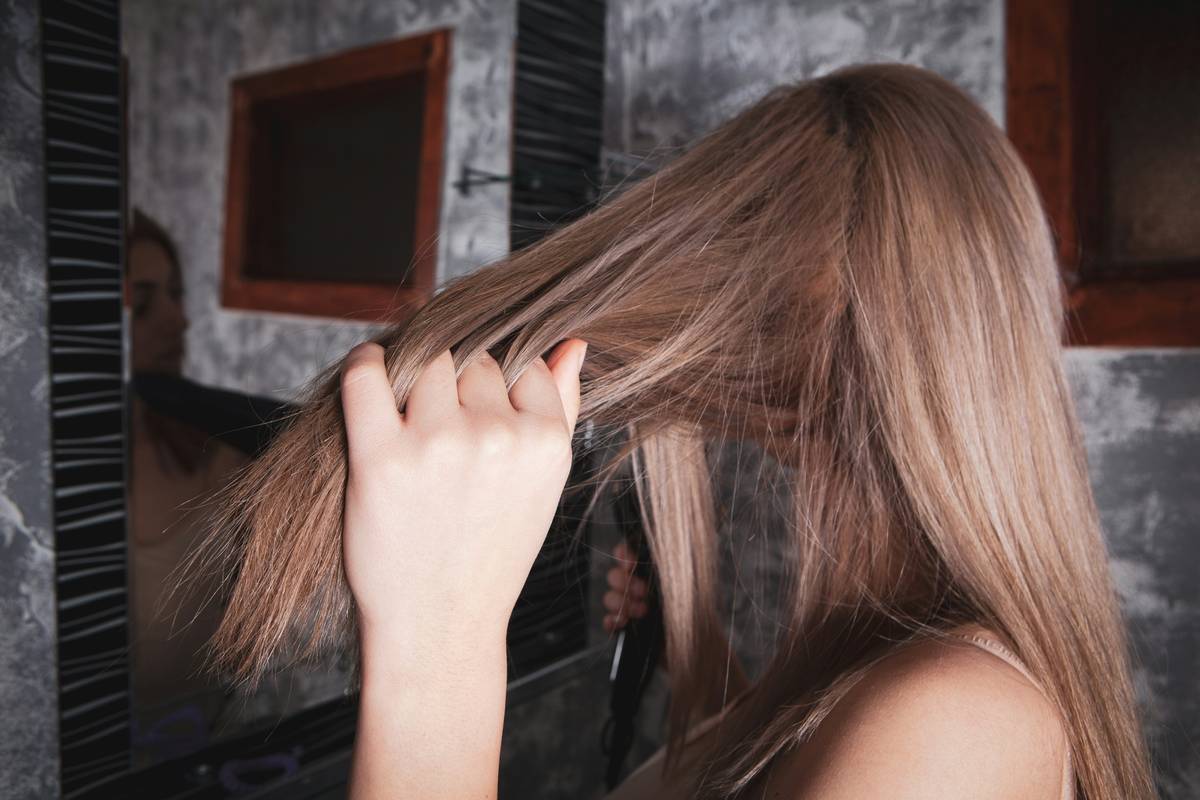
Dry, flaky scalp. Stiff, crunchy strands. That “wet look” that turns into a helmet by noon. If your current routine leaves hair brittle or greasy—or worse, both—you’re not styling. You’re suffocating. The fix isn’t more product. It’s smarter hydration. Enter the hydrating hair gel: lightweight hold meets deep moisture, without residue or rebellion.
The Core Problem: Why Standard Gels Sabotage Shine
Most drugstore gels rely on alcohol-heavy formulas to “dry fast” and “hold strong.” They do. At a cost. Alcohol strips natural oils—fast. Within hours, your cuticles crack open like parched earth. Static builds. Frizz riots. And that once-sharp part? Now a fuzzy war zone.
And it’s not just cheap brands. Even premium “styling” gels often skip humectants like glycerin or panthenol. They prioritize polymer strength over scalp health. The result? Hair that looks polished in the mirror at 8 a.m.—and frayed by lunch.
How to Choose & Use a Hydrating Hair Gel That Actually Works
Step 1: Decode the Label Like a Formulator
Avoid anything listing “alcohol denat” in the top five ingredients. Instead, hunt for hyaluronic acid, aloe vera juice, or hydrolyzed silk proteins. These aren’t buzzwords—they’re moisture magnets that pull humidity from the air straight into your strands.
Step 2: Apply to Damp—Not Wet—Hair
Applying gel to soaking-wet hair dilutes its hold. To bone-dry hair? It flakes. The sweet spot: towel-dried hair with ~40% moisture left. Emulsify a dime-sized amount between palms, then glide through mid-lengths to ends. Avoid roots unless you’re battling serious flyaways—scalp buildup breeds irritation.
Step 3: Layer Smartly (Especially for Curly or Thick Textures)
Fine hair? One pass is enough. Coily, thick, or color-treated hair needs reinforcement. Follow gel with a lightweight leave-in conditioner *only* if your formula lacks protein. Too much product = weighed-down styles. Test combos on weekends before committing to Monday mornings.
| Formula Type | Hold Strength | Hydration Level | Best For | Price Range |
|---|---|---|---|---|
| Alcohol-Based Gel | High | Very Low | Short-term slick backs (not daily use) | $3–$8 |
| Aloe-Infused Gel | Medium | High | Curly, wavy, or dry textures | $10–$18 |
| Hyaluronic Acid Gel | Medium-Firm | Very High | All hair types needing shine + structure | $16–$24 |
| Protein-Enriched Gel | Firm | Moderate | Color-treated or heat-damaged hair | $12–$20 |
The Industry Secret: “Hold” Isn’t About Polymers—It’s About Water Balance
Here’s what lab chemists won’t tell you: rigid hold comes not from glue-like polymers alone—but from optimal water retention in the cortex. When hair fibers stay plump with moisture, they naturally resist bending and frizz. The best hydrating hair gel doesn’t “glue” strands together—it creates a microclimate where each strand holds its shape *because* it’s nourished. Think of it like inflating a tire to proper PSI versus over-tightening lug nuts. One gives resilient performance; the other just breaks things faster.
But most brands won’t market this—it sounds too scientific for TikTok trends. So they sell “strong hold” myths while your hair pays the price.
FAQs About Hydrating Hair Gels
Can hydrating hair gel work on fine, straight hair?
Yes—if applied sparingly to ends only. Look for “weightless” or “clear finish” formulas to avoid greasy flatness.
Does it replace leave-in conditioner?
Not always. If your gel lacks proteins or ceramides, layer a light leave-in underneath for damaged hair.
How often should I use it?
Daily is safe—provided it’s alcohol-free. Hydration-based styling actually protects against environmental dryness.